

Allulose: A Low-Calorie Sugar Alternative for Everyday Use
What Is Allulose?
If you enjoy sweet foods and drinks but want to reduce your intake of regular sugar, you may have heard about allulose.
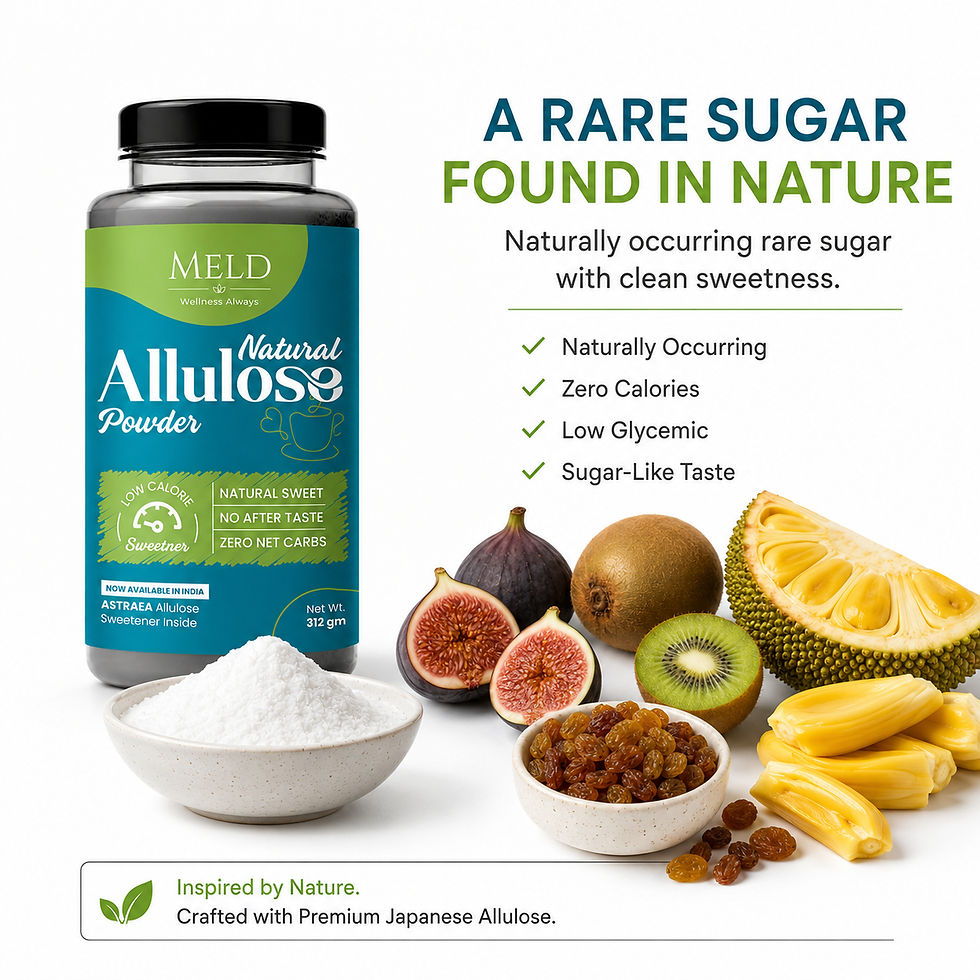
Allulose is a naturally occurring rare sugar that has a similar taste and texture to regular sugar. It is found naturally in very small amounts in certain foods, including figs, raisins, and some other fruits.
Unlike traditional table sugar, allulose contains very few calories and has a much smaller impact on blood glucose than sucrose. Because of these characteristics, allulose has become increasingly popular among people looking for alternatives to conventional sugar.
Allulose is also known as D-psicose, and it can be used in a variety of everyday applications, including tea, coffee, smoothies, sauces, baking, and desserts.
Why Are People Looking for Sugar Alternatives?
Regular sugar is present in many foods and beverages, from tea and coffee to sweets, desserts, sauces, and packaged foods.
While sugar can be part of a balanced diet, consuming large amounts of added sugar can make it harder for people to manage their overall calorie and carbohydrate intake.
This has increased interest in sugar alternatives that can provide sweetness while helping people reduce their use of conventional sugar.
Some popular sugar alternatives include stevia, erythritol, monk fruit, and allulose. Each sweetener has different characteristics, so choosing one depends on taste, cooking requirements, dietary preferences, and individual needs.
How Is Allulose Different From Regular Sugar?
One of the main reasons allulose attracts attention is its similarity to sugar.
Regular table sugar, also known as sucrose, provides approximately 4 calories per gram. Allulose provides only a small fraction of the calories of regular sugar.
Allulose also has a lower effect on blood glucose and insulin levels compared with sucrose.
However, it is important to understand that allulose is still a sweetener, and individual responses can vary.
Allulose vs Regular Sugar
Feature | Regular Sugar | Allulose |
Sweet taste | Yes | Yes |
Calories | Approximately 4 kcal/g | Very low |
Common use | Food & beverages | Food & beverages |
Baking applications | Yes | Yes |
Taste profile | Familiar sugar taste | Similar to sugar |
Blood glucose impact | Raises blood glucose | Much lower impact than sucrose |
The exact sweetness and performance can vary depending on the recipe and the amount used.
Potential Benefits of Allulose
1. Very Low in Calories
One of the biggest reasons people choose allulose is its very low calorie content.
Replacing some of the regular sugar in a recipe with allulose can reduce the overall calorie contribution from sweetening ingredients.
For people who are trying to manage their overall calorie intake, this can make allulose an interesting alternative to traditional sugar.
2. Lower Impact on Blood Glucose
Compared with regular sucrose, allulose has a much smaller effect on blood glucose.
This characteristic makes it particularly interesting for people who are paying attention to carbohydrate and sugar intake.
However, people with diabetes or other medical conditions should consider their complete diet and individual requirements rather than relying on one ingredient alone.
3. Sugar-Like Taste
Some sugar alternatives can have a noticeable aftertaste.
Allulose is valued by many users because its taste is relatively similar to regular sugar, making it easy to incorporate into familiar foods and beverages.
This can be useful if you want to reduce conventional sugar without completely changing the taste of your favorite recipes.
4. Useful for Baking
Allulose can be used in many baking applications.
It can add sweetness and also contributes to browning and texture, which makes it different from some high-intensity sweeteners.
You can experiment with allulose in:
Cakes
Cookies
Brownies
Muffins
Puddings
Cheesecakes
Homemade sauces
Dessert recipes
Because allulose behaves differently from sucrose, recipes may require adjustments in quantity, moisture, temperature, and baking time.
5. Convenient for Everyday Drinks
Allulose powder can be used in everyday beverages such as:
Tea
Coffee
Milk-based drinks
Smoothies
Homemade shakes
Cold beverages
Its powder form makes it easy to measure and mix into recipes.
Allulose for Tea and Coffee
Tea and coffee are two of the easiest ways to start using allulose.
If you normally add sugar to your morning tea or coffee, you can experiment with a small amount of allulose instead.
Start with a small quantity and adjust according to your preferred level of sweetness.
For example, you can use allulose in:
Morning Tea: Add allulose according to your desired sweetness.
Coffee: Mix allulose into hot coffee or use it in homemade cold coffee.
Smoothies: Blend it with fruits, milk or plant-based beverages, and other ingredients.
Because taste preferences vary, there is no single amount that works perfectly for everyone.
Allulose for Baking and Desserts
Allulose is particularly interesting for home bakers because it can perform more like sugar than some high-intensity sweeteners.
It can contribute to sweetness, browning, and texture.
However, replacing sugar in baking is not always a simple one-to-one process.
Depending on the recipe, you may need to adjust:
Baking temperature
Baking time
Moisture
Sweetener quantity
Other ingredients
For your first recipe, it is usually better to experiment with a small batch and adjust the recipe based on the final taste and texture.

Allulose is popular among people following lower-carbohydrate eating patterns because of its very low calorie contribution and minimal impact on blood glucose compared with regular sugar.
However, dietary suitability depends on the complete nutritional profile of the food.
For example, a dessert made using allulose can still contain carbohydrates and calories from flour, dairy, chocolate, nuts, oils, or other ingredients.
Therefore, replacing sugar with allulose does not automatically make every food low-carb or suitable for every diet.
Allulose and Weight Management
Allulose may be useful for people who want to reduce calories from added sugar.
Since it contains very few calories compared with regular sugar, replacing some sugar with allulose can reduce the calories contributed by the sweetener.
However, allulose itself is not a weight-loss product.
Weight management depends on overall calorie intake, food choices, physical activity, sleep, and many other factors.
A balanced diet and sustainable lifestyle habits are more important than relying on a single ingredient.
There are many simple ways to include allulose in everyday foods.
In Tea
Add a small amount of allulose to hot tea and stir until dissolved.
In Coffee
Add allulose to your coffee and mix well. You can adjust the quantity based on your preferred sweetness.
In Smoothies
Add allulose while blending your smoothie.
In Desserts
Use allulose when preparing homemade puddings, cheesecakes, sauces, or other desserts.
In Baking
Allulose can be incorporated into recipes for cookies, cakes, muffins, brownies, and other baked foods.
Always follow the recipe instructions and adjust the quantity according to your desired sweetness.
Does Allulose Have an Aftertaste?
Taste is highly personal, but allulose is generally known for having a sugar-like taste without the strong bitterness associated with some sweeteners.
This makes it appealing to people who want a more familiar sweetness.
The final taste can also depend on the recipe, ingredients, concentration, and individual taste preferences.
Is Allulose Safe?
Allulose has been studied as a food ingredient and is permitted for use in foods in several countries.
However, consuming large quantities may cause digestive discomfort in some people, including bloating or loose stools.
Individual tolerance can vary.
If you are trying allulose for the first time, starting with a smaller amount can help you understand how your body responds.
People with specific medical conditions, dietary restrictions, or concerns about using sweeteners should consult an appropriately qualified healthcare professional.
Who May Consider Using Allulose?
Allulose can be an option for people who:
Want to reduce their intake of regular sugar
Prefer a low-calorie sweetener
Enjoy baking at home
Want a sugar-like taste
Follow lower-carbohydrate eating patterns
Want an alternative for tea and coffee
Want to experiment with different sweeteners
The best sweetener depends on individual taste, dietary requirements, and intended use.
Why Choose Pure Allulose Powder?
When purchasing an allulose product, checking the ingredient list is important.
A simple product containing allulose as the primary or only ingredient can be useful for people who specifically want pure allulose rather than a blend of multiple sweeteners.
MELD Wellness 100% Pure Allulose Powder is made with allulose and is designed to be used as a versatile sugar alternative for everyday applications such as tea, coffee, baking, and desserts.
Always check the product packaging and ingredient label for the most current product information.
Frequently Asked Questions About Allulose
Is allulose the same as sugar?
No. Allulose is a rare sugar, but it is chemically different from regular table sugar (sucrose). It provides sweetness while contributing very few calories.
Does allulose raise blood sugar?
Allulose generally has a much smaller effect on blood glucose than regular sucrose. Individual responses can vary.
Can I use allulose in coffee?
Yes. Allulose powder can be mixed into hot or cold coffee according to your preferred sweetness.
Can allulose be used for baking?
Yes. Allulose can be used in many baking recipes, including cookies, cakes, brownies, and muffins. Recipes may require adjustments because allulose behaves differently from regular sugar.
Is allulose good for weight loss?
Allulose is not a weight-loss treatment. However, because it contains very few calories compared with regular sugar, replacing some sugar with allulose may help reduce calories from sweeteners.
Does allulose taste like sugar?
Allulose has a taste profile that is relatively similar to sugar, although the exact experience depends on the recipe and individual taste preferences.
Can I use allulose every day?
Allulose can be incorporated into everyday foods and beverages, but individual tolerance varies. Large amounts may cause digestive discomfort in some people.
What can I use allulose for?
Allulose can be used in tea, coffee, smoothies, sauces, baking, desserts, and many homemade recipes.
Final Thoughts
Allulose is an interesting alternative to regular sugar for people who want sweetness with significantly fewer calories and a lower impact on blood glucose than traditional sucrose.
Its sugar-like taste and versatility make it suitable for a wide range of everyday uses, from tea and coffee to baking and desserts.
If you are looking for a simple way to reduce conventional sugar in your diet, experimenting with allulose can be one option to consider.
As with any food ingredient, moderation, individual tolerance, and your overall dietary pattern matter.
Looking for a versatile sugar alternative? Explore MELD Wellness 100% Pure Allulose Powder for tea, coffee, baking, desserts, and everyday recipes.

Comments