

Is Allulose Safe for Diabetics? What Most People Don’t Know About This Rare Sugar

If you've ever stood in front of your kitchen shelf wondering whether there's a better alternative to sugar, you're not alone.
For many people managing diabetes or simply trying to reduce sugar intake, finding a sweetener that actually tastes good can be frustrating. Some options leave a bitter aftertaste, while others don't work well in tea, coffee, or baking.
That's where allulose has started getting attention.
In recent years, this rare sugar has become one of the most talked-about sugar alternatives because it tastes surprisingly similar to regular sugar while fitting into many reduced-sugar lifestyles.
But an important question remains:
Is allulose safe for diabetics?
Let's take a closer look at what allulose is, why so many people are switching to it, and whether it may be a suitable option for people trying to reduce their sugar consumption.
Why More People Are Switching from Regular Sugar
Most people don't stop using sugar because they dislike the taste.
They stop because they want better control over their diet, weight management goals, or overall wellness.
The challenge is that many sugar substitutes don't deliver the same experience as sugar.
Common complaints include:
Bitter aftertaste
Artificial taste
Poor baking results
Strange texture in drinks
This is exactly why allulose has attracted so much interest.
Unlike many sweeteners, it provides a sweetness profile that feels much closer to traditional sugar.
What Exactly Is Allulose?
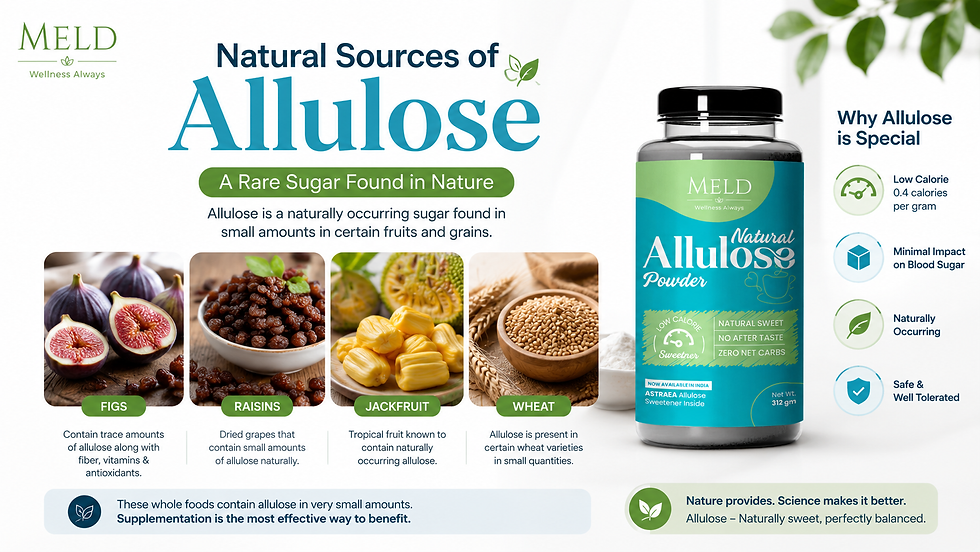
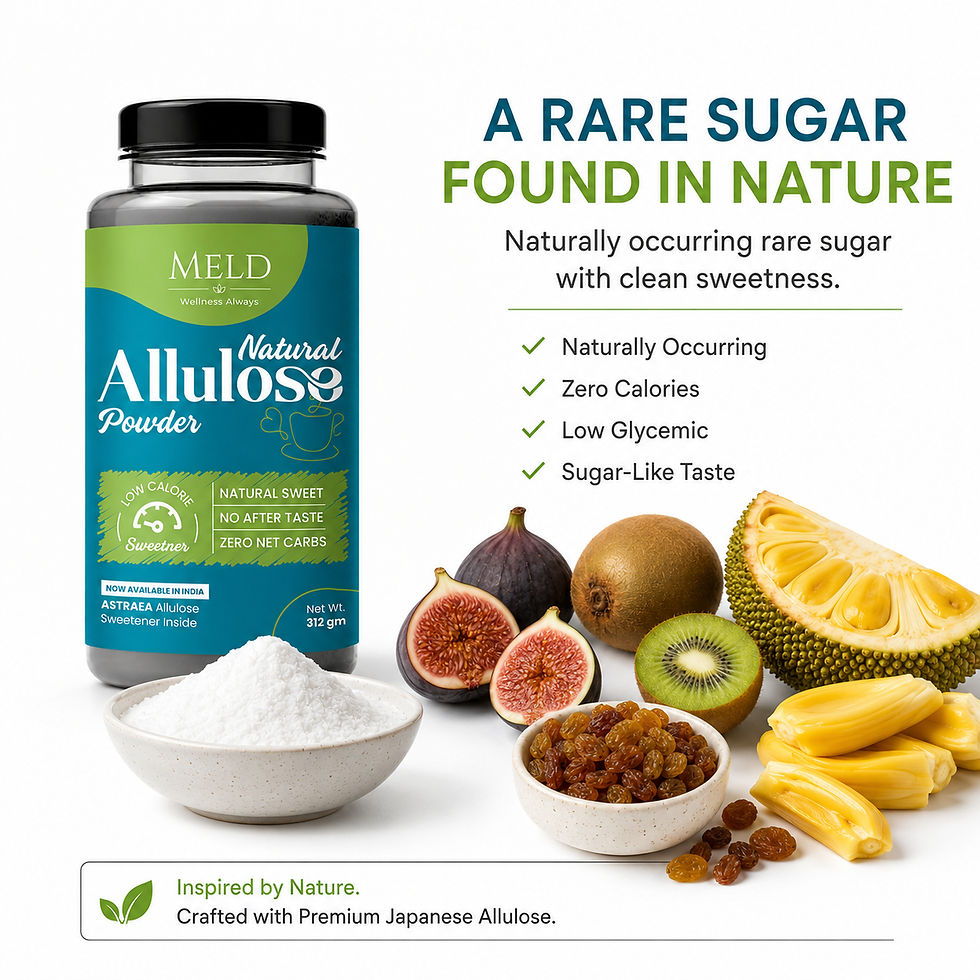
Allulose is a rare sugar naturally found in small amounts in foods such as:
Figs
Raisins
Wheat
Jackfruit
Although it occurs naturally, the amount present in these foods is very small.
What makes allulose unique is that it delivers a familiar sweetness while behaving differently from regular sugar in the body.
Many people first discover allulose while searching for alternatives that can fit into a reduced-sugar lifestyle without sacrificing taste.
Looking for a premium allulose sweetener for tea, coffee, desserts and baking? Explore Meld Wellness Allulose Powder.
Why Is Allulose Becoming So Popular?
Let's be honest.
Most people don't care about scientific terms.
They care about one thing:
"Does it actually taste good?"
This is where allulose stands out.
Many users describe it as one of the closest alternatives to regular sugar.
Unlike some sweeteners that can leave a lingering aftertaste, allulose is often appreciated for its clean sweetness.
That's why it has become increasingly popular in:
Tea
Coffee
Baking
Desserts
Smoothies
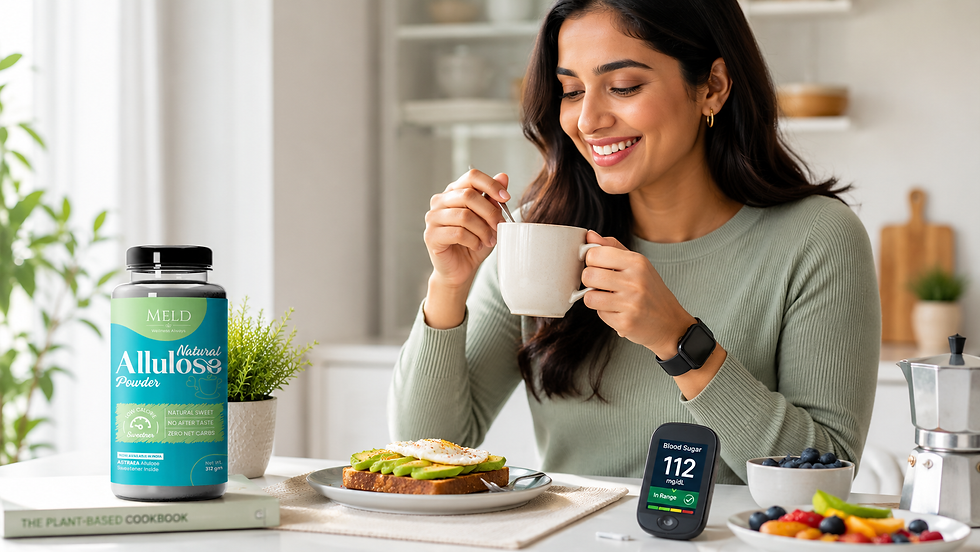
How Does Allulose Affect Blood Sugar?
One reason allulose is frequently discussed among people reducing sugar intake is its minimal impact compared with traditional sugar.
Because everyone responds differently to foods, blood glucose responses can vary from person to person.
For this reason, individuals managing diabetes should continue monitoring their health and follow recommendations from their healthcare professional.
What makes allulose interesting is that it allows many people to enjoy sweetness without relying on regular table sugar.
Real-Life Example
Imagine you're making your morning tea.
You want sweetness.
But you don't want the strong aftertaste some sweeteners leave behind.
You also don't want to completely change the taste of your favorite drink.
This is exactly why many people experiment with allulose.
It offers a sweetness experience that feels familiar while fitting into a reduced-sugar lifestyle.
Benefits of Allulose
1. Sugar-Like Taste
Taste is often the biggest reason people switch.
Many users find allulose much closer to sugar than many other sweeteners.
2. Very Low in Calories
People who are trying to reduce calorie intake often appreciate that allulose provides sweetness with very few calories.
3. Excellent for Baking
One of the biggest challenges with many sweeteners is baking performance.
Allulose can:
Brown in recipes
Help create texture
Work well in cakes, cookies and desserts
Many home bakers prefer using allulose because it behaves more like traditional sugar in recipes.
4. Easy to Use in Daily Recipes
Whether you're preparing tea, coffee, smoothies or desserts, allulose can often be used in a variety of recipes.

Are There Any Side Effects?
Like most foods, individual tolerance varies.
Some people may experience digestive discomfort if they consume large amounts.
Possible reactions may include:
Bloating
Gas
Mild digestive discomfort
For most people, moderation is the key.
Whenever introducing a new sweetener, it's a good idea to start slowly and see how your body responds.
Allulose vs Other Sweeteners
One reason allulose continues gaining popularity is because many people feel it provides a more familiar sugar-like experience.
Compared with Stevia
Allulose offers a sugar-like taste
Stevia may have an herbal aftertaste for some users
Compared with Regular Sugar
Similar sweetness experience
Different nutritional profile
Lower calorie content
Should Diabetics Consider Allulose?
The answer depends on individual dietary goals, personal preferences and professional medical advice.
However, many people who are trying to reduce sugar intake find allulose appealing because it combines:
Familiar taste
Baking versatility
Easy everyday use
Instead of feeling like a compromise, it often feels closer to the sweetness people are already used to.
Final Thoughts
Finding a sugar alternative isn't just about removing sugar.
It's about finding something you can realistically enjoy every day.
That's one reason allulose has become such a popular topic in the health and wellness space.
Its sugar-like taste, versatility in recipes and growing popularity among health-conscious consumers make it one of the most interesting sweeteners available today.
If you're exploring ways to reduce sugar without giving up the foods and drinks you love, allulose may be worth considering.
Ready to experience the taste of allulose for yourself? Explore Meld Wellness Allulose Powder and discover a smarter way to sweeten your favorite recipes.
Frequently Asked Questions
Is allulose safe for diabetics?
Many people choose allulose as part of a reduced-sugar lifestyle because of its minimal impact compared with traditional sugar. Individual responses vary.
Does allulose taste like sugar?
Yes. One of its most popular characteristics is its sugar-like taste.
Can allulose be used in baking?
Yes. Many people use allulose in cakes, cookies and desserts because it behaves similarly to sugar.
What are the side effects of allulose?
Some individuals may experience digestive discomfort when consuming large quantities.
Is allulose better than stevia?
Taste preference is personal, but many users prefer allulose because it more closely resembles the taste of regular sugar.
Comments